Making social media work for you
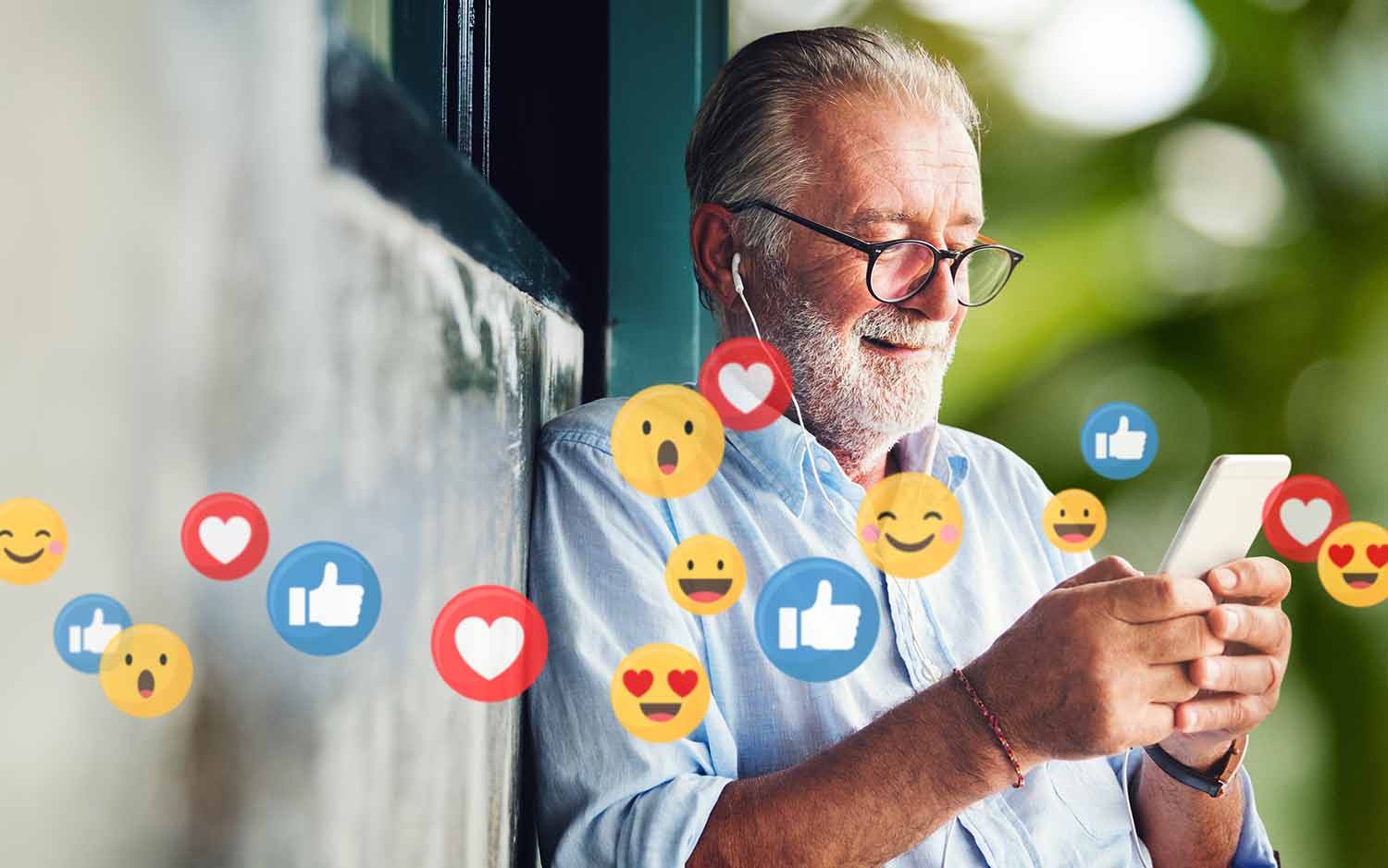
Whether you're keeping up with grandchildren, reconnecting with classmates, or exploring a hobby you love, social media might already be a bigger part of your life than you realize.
And you’re not alone. According to AARP, 74% of adults 50 and older are already on social platforms. It's a space where real moments are shared and real relationships are maintained.
But as the digital world keeps changing, so do the risks. The good news? According to Tricia Himebaugh, San Jacinto College digital media coordinator, you don't have to be afraid, because a little caution goes a long way.
Benefits of staying connected
If you're retired or living far from family, logging in each day can provide routine, entertainment, and a sense of belonging. Social media lets you celebrate birthdays, share memories, and watch milestones unfold in real time.
"It really can reduce feelings of isolation," Himebaugh said. "It keeps people involved in what's happening with their families and communities."
Research backs that up. A 2024 Macquarie University study showed that social media use can meaningfully improve older adults' mental and emotional well-being.
Different platforms serve different purposes. Facebook remains one of the most user-friendly options because its design updates have been gradual over the years, making it familiar and accessible. Instagram is ideal for viewing photos and short videos and following hobby-focused pages — whether gardening, quilting, woodworking, cooking, or faith-based content.
Other platforms can also enrich your daily life. Pinterest offers inspiration for crafts, recipes, and home projects, while YouTube provides tutorials and educational videos on virtually any topic. It's no surprise that nearly half of seniors now spend more than an hour on social media every day.
Setting up your account the right way
While social media offers real connection, proper setup is key.
Himebaugh recommends adjusting your privacy settings immediately when creating an account. You should avoid making your birthdate, anniversary, or phone number public and consider keeping your family member list private.
"It's a good idea to review your settings at least once a year," she said. "Platforms change, and sometimes new features are added without people realizing it."
Strong passwords are equally important. If you reuse the same password across multiple accounts, you're increasing your vulnerability. Instead, Himebaugh suggests using your device's password generator and autofill tools to create complex, unique passwords.
"If someone gets one password from the dark web, they can potentially access everything," she said.
Think before you click
One of the most common security issues you may encounter involves clicking external links — even when they appear to come from friends.
Hackers often gain access through "fun" quizzes, shopping links, or compromised accounts that send messages without the owner's knowledge.
"If it takes you outside the app, think twice," Himebaugh said.
External websites can collect your data, display pop-up ads, or attempt to capture your credit card information. Staying within trusted platforms reduces your risk.
Navigating AI and online scams
Artificial intelligence has made online scams more sophisticated. AI-generated videos and translated audio are increasingly common, and you may find it difficult to distinguish between authentic and manipulated content.
Signs something may not be legitimate include robotic speech patterns, exaggerated visuals, or urgent emotional appeals encouraging you to share or send money immediately.
Before you share alarming news, Himebaugh advises verifying it through trusted outlets such as CNN, ABC News, or The New York Times.
"If major news organizations aren't reporting it, pause," she said.
Voice-mimicking scams have also become more prevalent. Some criminals use AI to imitate a family member's voice, claiming to be in trouble and asking for money. If that ever happens to you, the safest response is simple: hang up and call your relative directly.
Some families even establish private code words known only to immediate members — an added layer of verification in an increasingly digital world.
A balanced approach
Despite the risks, Himebaugh emphasizes that social media remains a powerful tool when you use it wisely.
"It's really about having a healthy level of skepticism," she said. "Confirm the source. Verify the information. Slow down before you click or share."
With routine security checkups and a cautious mindset, social media can continue to be a source of connection, inspiration, and community in your life. It doesn't have to be overwhelming — just intentional.
About San Jacinto College Surrounded by monuments of history, evolving industries, maritime enterprises of today,
and the space age of tomorrow, San Jacinto College has served the people of East Harris
County, Texas, since 1961. The College is ranked second in the nation among more than
1,100 community colleges, as designated by the Aspen Institute and was named an Achieving
the Dream Leader College of Distinction in 2020 and 2026. As a Hispanic-Serving Institution
that spans five campuses, plus an online college, San Jacinto College serves approximately
45,000 credit and non-credit students annually. It offers more than 200 degrees and
certificates across eight major areas of study that put students on a path to transfer
to four-year institutions or enter the workforce. The College is fiscally sound, holding
bond ratings of AA+ by Standard & Poor’s and Aa2 by Moody’s. San Jacinto College is
accredited by the Southern Association of Colleges and Schools Commission on Colleges.